
Body recomposition means losing fat while building or keeping muscle at the same time. Because muscle is denser than fat, your shape can change while the scale barely moves. It is driven by three habits above all else: eating enough protein, doing regular strength training, and staying consistent long enough to see the change.
Most people step on the scale and expect one number to tell the whole story. Body recomposition is the reason that number can mislead you. You can be firmer, leaner, and stronger while the scale reads the same as it did a month ago. Here is how the process actually works, and how to track it in a way that matches what your body is doing.
What body recomposition actually is
Recomposition is the process of changing the ratio of fat to muscle on your body. Instead of chasing weight loss alone, you are lowering body fat while holding onto or building lean muscle. The result is a leaner, more defined shape at a similar or even slightly higher body weight.
This matters because muscle and fat take up different amounts of space. A pound of muscle is more compact than a pound of fat. Swap some fat for muscle and your clothes fit differently even if the scale stays put. That trade is the whole point.
Why the scale misleads you
A bathroom scale measures total weight. It cannot tell the difference between fat, muscle, water, or what you ate for dinner. During recomposition, you may lose four pounds of fat and gain three pounds of muscle, and the scale drops by one pound. It looks like almost nothing happened. In reality, your body changed a lot.
Track things that reflect shape rather than mass:
- Tape measurements at the waist, hips, thighs, and arms, taken every two to four weeks under the same conditions.
- Progress photos in the same lighting, clothing, and pose.
- How your clothes fit, especially at the waistband.
- Strength in the gym, since more reps or heavier lifts signal muscle gain.
Pick two or three of these and check them on a schedule. The weekly weigh-in can stay, but treat it as one data point among several, not the verdict.
The foundations that do the heavy lifting
No tool or shortcut replaces the basics. Recomposition rests on four habits, and if any one is missing, progress slows.
- Protein. Muscle needs protein to repair and grow. Spreading adequate protein across your meals gives your body the building blocks to hold muscle while you lose fat.
- Strength training. Lifting weights or doing resistance work tells your body to keep and build muscle rather than burn it off along with the fat. Aim for regular sessions that challenge the major muscle groups.
- Sleep. Recovery happens when you rest. Short or broken sleep raises stress hormones, blunts recovery, and makes appetite harder to manage. Consistent sleep is not optional here.
- Patience and consistency. Recomposition is slower than a crash diet because you are doing two things at once. The people who see real change are the ones who keep going for months, not weeks.
Get these four right and the rest is refinement. Skip them and no add-on will carry the load for you.
How in-studio tools can complement the work
In-studio treatments are complements to diet and exercise, not replacements for them. They can support the two sides of recomposition, fat and muscle, when the foundations are already in place. Results vary from person to person.
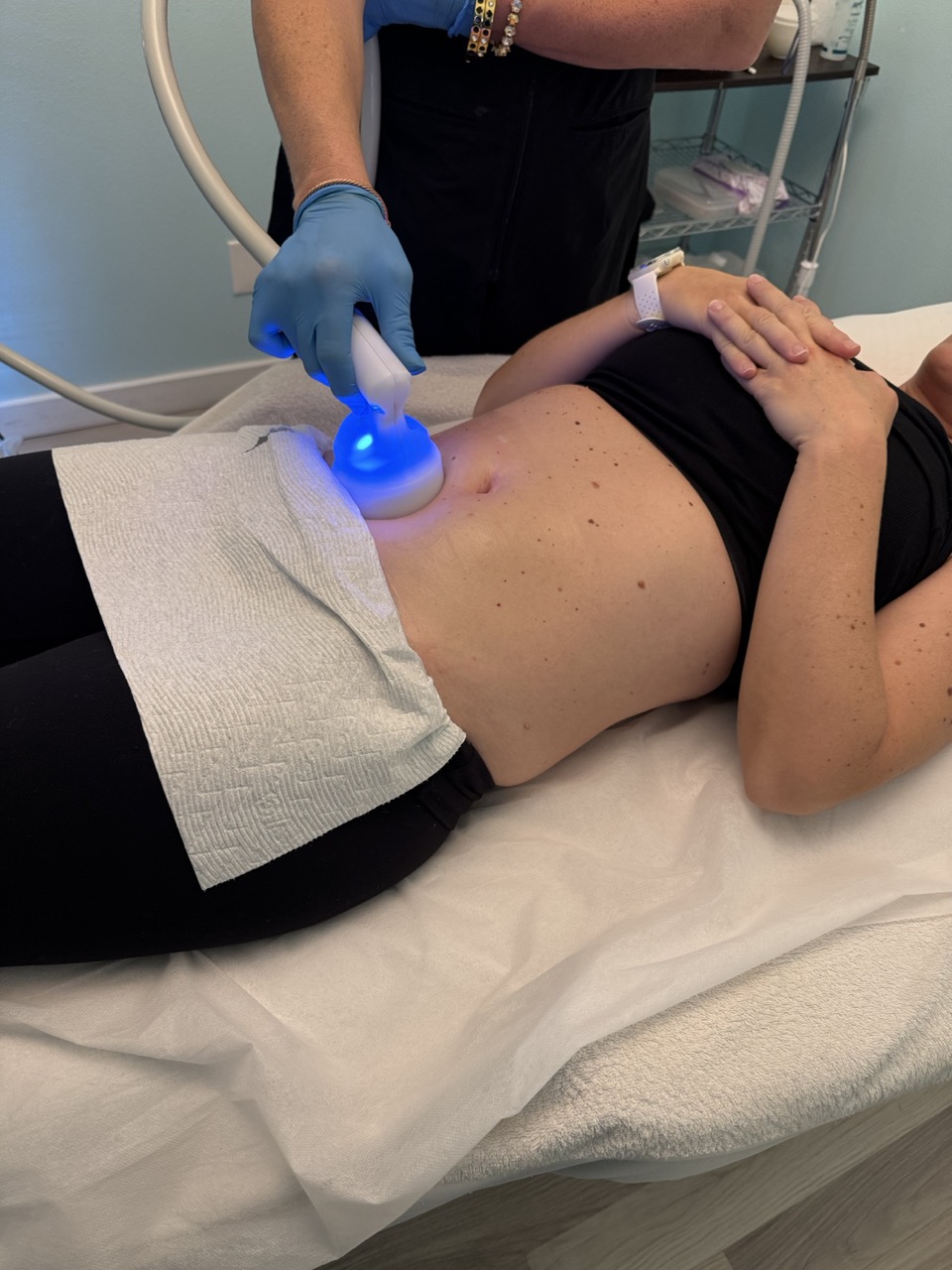
- For the fat side: Cryo Slimming in Sarasota uses controlled thermal cycling to target stubborn fat in specific areas that resist diet and exercise.
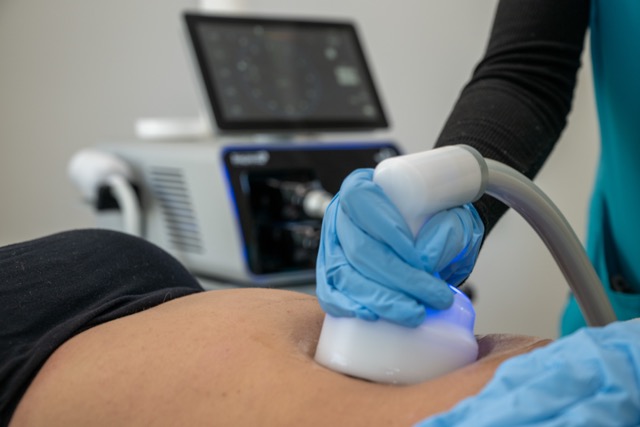
- For the muscle side: Emsculpt Neo in Sarasota uses electromagnetic energy to prompt strong muscle contractions, and Emsculpt Neo adds radiofrequency to address fat and muscle together in one session.
- As a combined approach: pairing fat-focused and muscle-focused treatments can support a fuller body sculpting in Sarasota plan when it sits on top of solid habits.
Think of these as accelerants for spots that are lagging, not a way to skip the protein and the workouts. They work with your effort, not instead of it.
A realistic timeline
Recomposition rewards the long view. In the first four to six weeks, most of the change is internal: you feel stronger, sleep better, and notice your clothes sitting differently before the mirror shows much. Around the two to three month mark, measurements and photos usually start to reflect the work.
Real, visible recomposition is often a six month to one year project, and it varies with your starting point, training experience, age, and consistency. Someone newer to strength training may see faster early muscle gains. Someone leaner already will see slower, more gradual shifts. Neither is wrong. The direction matters more than the pace.
Common mistakes that stall progress
A few predictable errors slow people down more than anything else:
- Cutting calories too hard. A severe deficit strips muscle along with fat and leaves you tired and flat. Recomposition needs a moderate approach with enough fuel to train.
- Skipping strength training. Cardio alone burns calories but does little to build the muscle that gives you shape.
- Underrating protein. Too little protein means your body has nothing to build with, so muscle gains stall.
- Weighing yourself daily and panicking. Water and food shift the scale day to day. Zooming in on it hides the real trend.
- Quitting at week three. The early phase is quiet by design. People who stop before the visible change arrives never get to see it.
Avoid these and you clear most of the obstacles between you and steady progress.
Frequently asked questions
What is body recomposition?
Body recomposition is the process of losing fat while building or keeping muscle at the same time. The goal is to change your body’s ratio of fat to muscle rather than just lower a number on the scale, which is why your shape can change even when your weight stays roughly the same.
Can you lose fat and build muscle at once?
Yes, though it happens more slowly than doing one alone. It works best when you eat enough protein, train with resistance regularly, and give it time. Beginners and people returning after a break often see it happen more readily than seasoned lifters.
Why is the scale not moving even though I look leaner?
Because you are trading fat for muscle. Muscle is denser and takes up less space, so you can lose inches and look more defined while the scale barely changes. This is a normal and healthy sign of recomposition, not a sign that nothing is happening.
How much protein do I need for recomposition?
Adequate protein spread across your meals is the key, since it gives your muscles what they need to repair and grow while you are in a fat-loss phase. Exact needs vary by body size, activity, and goals, so it is worth talking with a qualified professional about a target that fits you.
How long does body recomposition take?
Most people notice early internal changes in four to six weeks and visible changes around two to three months, with meaningful results often taking six months to a year. Your timeline depends on your starting point, training experience, age, and how consistent you stay. Results vary.
Do in-studio treatments replace diet and exercise?
No. Treatments like Cryo Slimming for fat and Emsculpt or Emsculpt Neo for muscle are complements to a solid routine, not replacements for it. They can support targeted areas when your protein, strength training, and consistency are already in place. If you want a plan built around your goals, you can book a consultation at our studio at 1451 2nd Street, Sarasota, FL 34236.
— The Cryo Studio Team