
“Ozempic face” is the hollow, gaunt, or looser look some people notice in their cheeks and jawline after losing weight quickly on a GLP-1 medication. It is not the drug damaging your skin. It happens because you lose fat from your face fast, and that lost volume, combined with the natural collagen loss that comes with age, leaves the skin looking deflated and less firm. A steady pace of weight loss, enough protein, good hydration, daily SPF, and skin-supporting treatments can all help.
If you have been losing weight with the help of a GLP-1 medication and your face looks thinner or more tired than you expected, you are not imagining it, and you are not alone. The term “Ozempic face” has become shorthand for a real and understandable change. The good news is that it makes sense once you understand what is actually happening, and there are honest, practical ways to support how your skin looks as your body changes.
What “Ozempic face” actually is (and what it is not)
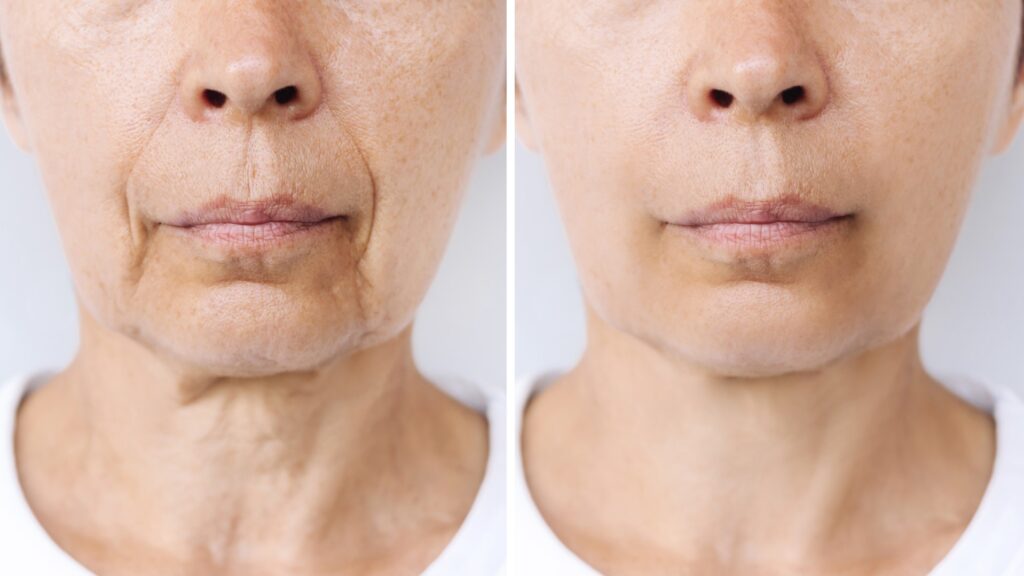
“Ozempic face” is a nickname, not a medical diagnosis. It describes the sunken, flatter, or slightly saggy appearance that can show up in the face after rapid weight loss. People most often notice it in the cheeks, under the eyes, around the temples, and along the jawline.
Here is the important part. The medication is not attacking or thinning your skin. The change comes from losing facial fat volume, which your face uses for a full, youthful shape. When that cushion shrinks quickly, the skin that was draped over it can look loose or hollow. The same thing can happen with fast weight loss from any method. It simply became a talking point because GLP-1 medications can produce quick results.
Why rapid weight loss changes the face
Your face holds small, structured pockets of fat that give it a smooth, rounded look. When you lose weight, you lose fat everywhere, including these facial pockets. The face has thin skin and little room to hide volume loss, so changes there are easy to see.
Two things tend to overlap:
- Fat volume loss. Less facial fat means less of the support that keeps skin looking full.
- Skin that does not snap back instantly. Skin has some elasticity, but it rebounds slowly. When volume drops faster than the skin can adapt, the surface can look looser for a while.
Add age-related collagen loss to that picture and the effect is more noticeable. Collagen is the protein that keeps skin firm, and we naturally make less of it over time.
Who tends to notice it more
Not everyone who loses weight on a GLP-1 sees a big change in their face. A few factors make it more likely:
- Age. Skin in the 40s, 50s, and beyond has less collagen and elastin, so it adapts more slowly to volume loss.
- Pace of weight loss. The faster the loss, the less time skin has to adjust.
- Amount of weight lost. Larger total loss usually means more facial change.
- Sun history. Years of sun exposure reduce skin elasticity, which matters in sunny places like Sarasota.
None of these mean you should avoid losing weight. They simply explain why two people can have very different experiences.
How to reduce the chance of it happening
The most useful step is the simplest one: aim for a steady, sustainable pace rather than the fastest possible drop. A gradual loss gives your skin more time to keep up. This is one reason a clinician-guided medical weight loss plan is worth considering, because the pace and the details can be adjusted to your goals.
A few habits support your skin while you lose weight:
- Get enough protein. Protein supports muscle and overall tissue health while you are in a calorie deficit.
- Stay hydrated. Well-hydrated skin looks and feels more supple.
- Keep up strength and movement. Maintaining muscle supports your overall shape as the weight comes off.
- Do not rush. Talk with your clinician if the loss feels faster than you are comfortable with.
Skincare that genuinely helps
Good daily skincare will not replace lost fat volume, but it supports the quality and look of your skin as your face changes. The habits with the strongest track record are the familiar ones:
- Daily SPF. Sun protection is the single most important thing you can do to preserve elasticity and slow further collagen breakdown.
- A retinoid. Retinoids are well studied for supporting skin renewal and firmness over time. Start slowly and ask your clinician if you are unsure.
- Vitamin C. A vitamin C serum supports a brighter, more even look and pairs well with sunscreen in the morning.
- Gentle hydration. A moisturizer with ingredients like hyaluronic acid helps skin look plumper and more comfortable.
Consistency matters more than any single product. These are long-game habits, not quick fixes.
Non-invasive in-studio support for firmer-looking skin
If you would like extra support for how your skin looks, there are non-invasive, in-studio options at our downtown Sarasota studio. We frame these honestly as appearance support, not medical treatment, and they do not replace medical care or a weight loss plan.
- EmTone. Designed to support smoother, firmer-looking skin on the body, often chosen as body shape changes during weight loss.
- icoone. A versatile option used for rejuvenation, circulation, and a more refreshed, toned appearance.
- Facials. A gentle, lower-commitment way to support the look and feel of your skin while you focus on your goals.
These are about appearance and comfort. A consultation is the best way to understand which option, if any, fits what you are looking for.
When to talk to a clinician
Reach out to the clinician overseeing your weight loss if the pace feels too fast, if you have concerns about how quickly your face or body is changing, or if you want to adjust your plan. A clinician-guided approach lets you tune the details to your goals and comfort rather than guessing on your own.
You should also speak with a healthcare professional about any new or worsening symptom, or before starting a new skincare ingredient if you have sensitive skin or an existing condition.

Frequently asked questions
What is ozempic face?
“Ozempic face” is a nickname for the hollow or looser look some people notice in their cheeks, temples, and jawline after losing weight quickly on a GLP-1 medication. It is caused by losing facial fat volume fast, combined with natural age-related collagen loss, not by the medication harming the skin.
Does the medication itself damage my skin?
No. The change comes from rapid fat loss in the face, not from the drug affecting the skin directly. The same facial change can happen with fast weight loss from any method.
Is ozempic face permanent?
It varies from person to person, and we cannot promise any specific result. Skin can continue to adapt over time, and a steadier pace of weight loss, good skincare, and supportive habits may help the look improve. Your clinician can give guidance based on your situation.
Can I prevent it?
You cannot guarantee you will avoid it, but you can lower the chance. Losing weight at a steady pace, getting enough protein, staying hydrated, protecting your skin from the sun, and maintaining muscle all help your skin keep up as your body changes.
Do in-studio skin treatments fix ozempic face?
Non-invasive options like EmTone, icoone, and facials are appearance support, not medical treatments, and they do not replace lost facial fat. They are meant to support firmer and smoother-looking skin. A consultation is the best way to learn what might fit your goals.
Should I stop my GLP-1 because of how my face looks?
That is a decision to make with the clinician overseeing your care, never on your own. If you are concerned about facial changes, talk with them about the pace of your weight loss and your options. Do not change or stop a prescribed medication without medical guidance.
This article is for general educational purposes only and is not medical advice. It is not intended to diagnose, treat, or replace care from a qualified healthcare professional. GLP-1 medications are used under clinician guidance. Individual results vary, and nothing here is a promise of any specific outcome. Always consult your own clinician before starting, changing, or stopping any medication or treatment. Cryo Studio Sarasota is located at 1451 2nd Street, Sarasota, FL 34236.
— The Cryo Studio Medical Team