
If the scale has stopped moving, you are not doing anything wrong, and you are not alone. A plateau is usually several things happening at once: your metabolism adapting, your muscle mass shifting, small gaps between the calories you think you eat and burn, not enough protein, poor sleep, or stress. Sometimes a medical factor like your thyroid or hormones is part of the picture and worth checking. Here is an honest look at why it happens and what to do next.
Weight loss almost never happens in a straight line. Most people lose steadily for a few weeks or months, then the scale settles and seems to stall. That stall is frustrating, especially when your effort has not changed. But a plateau is a normal part of the process, not a sign of failure. Understanding what is behind it makes it much easier to respond calmly instead of giving up or cutting calories to an extreme.
Why plateaus happen in the first place
Your body is built to protect itself. As you lose weight, you become a smaller person, and a smaller body needs fewer calories to run. So the deficit that worked at the start slowly shrinks until your intake and your needs meet in the middle. This is sometimes called metabolic adaptation. It is your body doing exactly what it is designed to do, which is hold on to energy when it senses less coming in.
On top of that, the early weeks of any weight change often include a quick drop in water weight. Once that settles, the pace naturally slows, and fat loss shows up more gradually than the first big number on the scale suggested.
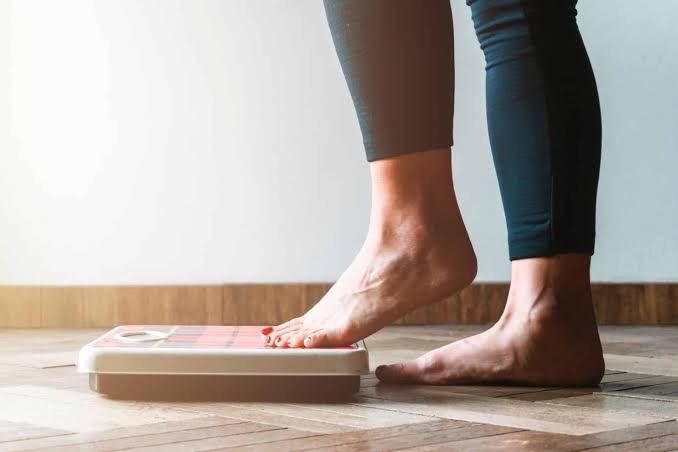
The most common reasons the scale stalls
When progress stops, it is rarely one single cause. More often a few of these are overlapping:
- Muscle loss slowing your metabolism. Losing weight too fast, or without enough protein and strength work, can cost you muscle. Muscle burns more energy at rest, so losing it quietly lowers your daily calorie needs.
- Under-estimating what you eat. Bites, tastes, cooking oils, dressings, and drinks add up faster than most of us realize. This is one of the most common reasons a plateau sneaks in, and it is nobody’s fault. Portions drift over time.
- Over-estimating what you burn. Fitness trackers and machines tend to over-report calories burned. Leaning on those numbers can make a deficit smaller than it looks on paper.
- Not enough protein. Protein helps protect muscle and keeps you fuller. Too little can leave you hungrier and more likely to lose muscle rather than fat.
- Poor sleep. Short or broken sleep raises hunger signals and lowers the fullness ones, which makes eating more feel almost automatic the next day.
- High stress and cortisol. Ongoing stress can increase appetite, drive cravings, and encourage the body to hold on to fluid and energy.
- Water retention. Salt, hormones, a hard workout, or a higher-carb day can all hold water and hide fat loss on the scale for days at a time.
Notice that most of these are adjustable. They are not personal flaws. They are the ordinary mechanics of a body trying to stay balanced.
Medical factors worth ruling out
Sometimes the reason sits below the surface, and no amount of diet tweaking will move it on its own. A few medical factors can slow or stall weight loss:
- Thyroid function. An underactive thyroid can slow metabolism and make weight loss harder.
- Hormones. Insulin, cortisol, and sex hormones all influence how the body stores and uses energy.
- Menopause and perimenopause. Shifting estrogen often changes where fat is stored and can make the midsection more stubborn, even when habits have not changed.
- Medications. Some common prescriptions list weight gain or water retention as a side effect.
This article is not a diagnosis, and none of these can be confirmed from a blog. If your weight has stalled for a long stretch despite consistent effort, or you have other symptoms like fatigue, hair changes, or mood shifts, it is worth asking a clinician to look. Testing can rule factors in or out so you are not guessing.
Why the scale is not the whole story
The number on the scale measures everything at once: fat, muscle, water, food in your system, even the time of day. It cannot tell you what is actually changing underneath. You can be losing fat and building muscle at the same time, and the scale will barely budge while your body is genuinely reshaping.
That is why we encourage people to track more than weight. Measure your waist, hips, and thighs every few weeks. Take progress photos in the same light and clothing. Notice how your clothes fit, how strong you feel, and your energy through the day. These non-scale wins often move well before the scale catches up, and they are a truer picture of progress.
Where clinician-guided help fits
If you have adjusted the basics and still feel stuck, you do not have to keep guessing on your own. A clinician-guided medical weight loss program can evaluate what might be holding you back, review the medical factors above, and build a plan that fits your body and your life rather than a one-size approach. A clinician can look at the whole picture and personalize the next step.
For stubborn pockets of fat that stay put even as the rest of you changes, some people also explore in-studio body work alongside their plan. Cryo Slimming in Sarasota targets specific areas and can complement a broader weight-loss effort. It is a supporting piece, not a replacement for the fundamentals of nutrition, movement, sleep, and medical care.
The honest bottom line
A plateau is normal, and it is usually fixable. Start by looking at the adjustable pieces: get enough protein, protect your muscle with some strength work, be honest with portions, prioritize sleep, and manage stress where you can. Give any change a few weeks before judging it, and lean on non-scale measures to see the full picture. If the stall holds despite steady effort, that is the moment to bring in a clinician who can check for medical factors and personalize your plan. Progress that feels slow is still progress, and steady beats extreme every time.

Frequently asked questions
Why am I not losing weight even though I’m trying?
Usually it is a mix of things rather than one cause. Your metabolism adapts as you get smaller, small gaps creep into how much you eat and burn, and factors like low protein, poor sleep, or stress can quietly slow things down. Sometimes a medical factor is involved. Reviewing these one at a time, or with a clinician, helps you find the piece that is stuck.
How long does a weight-loss plateau usually last?
It varies from person to person. Many plateaus last a few weeks as the body adjusts, then progress resumes once you tweak habits or your body settles. A stall that drags on for months despite consistent effort is worth discussing with a clinician.
Can losing muscle really stop my weight loss?
It can slow it. Muscle burns more energy at rest than fat does, so losing muscle lowers your daily calorie needs and shrinks your deficit. Eating enough protein and including some strength training helps protect muscle while you lose fat.
Could a medical issue be the reason?
It is possible. Thyroid function, hormones, menopause, and certain medications can all affect weight. This article cannot diagnose anything, so if your weight has stalled for a long time or you have other symptoms, see a clinician who can run the right tests.
Should I eat less to break a plateau?
Not always, and cutting too low can backfire by costing you muscle and energy. Often the better move is to check protein, sleep, stress, and portion accuracy first, and add strength work. A clinician-guided program can help you adjust in a way that is sustainable rather than extreme.
What should I track besides the scale?
Measure your waist, hips, and thighs, take progress photos in consistent lighting, and notice how your clothes fit, your strength, and your energy. These non-scale measures often show real change before the scale moves, and they give you a fuller sense of progress.
This article is for general education only and is not medical advice, a diagnosis, or a promise of any particular result. Weight loss varies from person to person. If your weight has stalled or you have ongoing symptoms, please see a qualified clinician. Cryo Studio Sarasota is located at 1451 2nd Street, Sarasota, FL 34236.
— The Cryo Studio Team