
Healthy, radiant skin is something many people want, yet many struggle with poor skin quality without fully understanding why. Skin that looks dull, uneven, loose, or dehydrated is often the result of several underlying factors working together rather than just one single cause.
At Cryo Studio, we often see clients who believe their skin concerns come from aging alone. However, the truth is that skin quality is influenced by lifestyle habits, environmental exposure, circulation, hydration, and collagen production. Understanding these factors can help you take the right steps to improve your skin from both the inside and the outside.
Let’s explore the most common reasons skin quality declines and what you can do to support healthier, smoother skin.
The Natural Decline of Collagen and Elastin
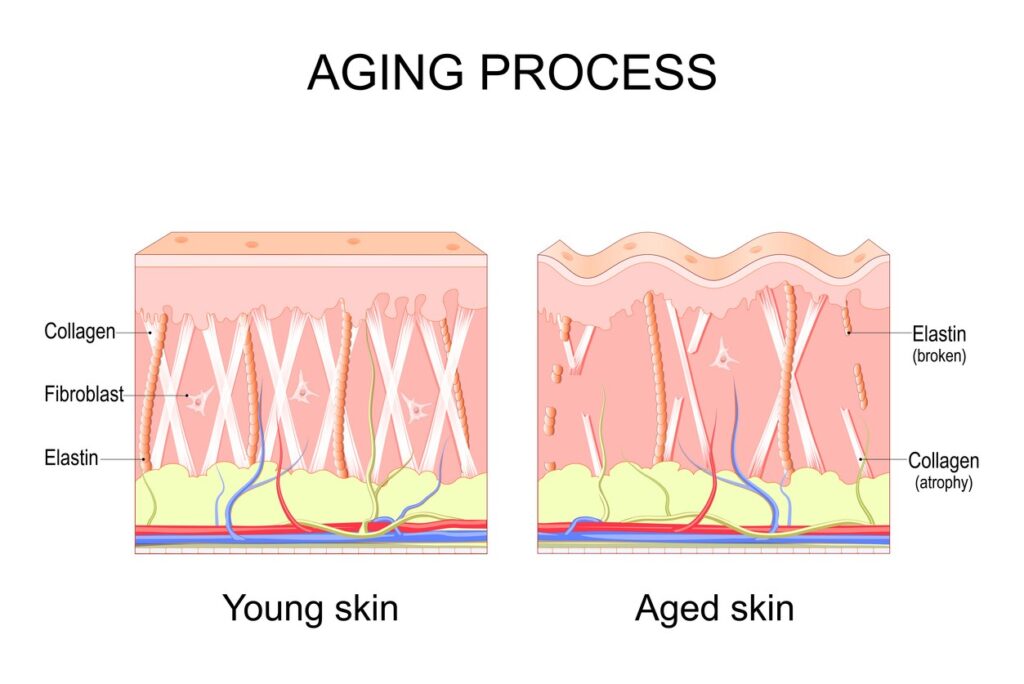
One of the primary reasons skin quality changes over time is the gradual decline of collagen and elastin, the two proteins responsible for keeping skin firm, smooth, and elastic. Collagen acts as the structural support system of the skin, while elastin allows the skin to stretch and return to its original shape.
Beginning in our mid-20s, the body naturally starts producing less collagen each year. As production slows, the skin gradually becomes thinner and less resilient. This process can lead to fine lines, sagging, and a loss of overall skin firmness.
Although this decline is natural, certain habits such as poor nutrition, excessive sun exposure, and chronic stress can accelerate the breakdown of collagen, making skin quality appear worse sooner than expected.
Sun Exposure and Environmental Damage
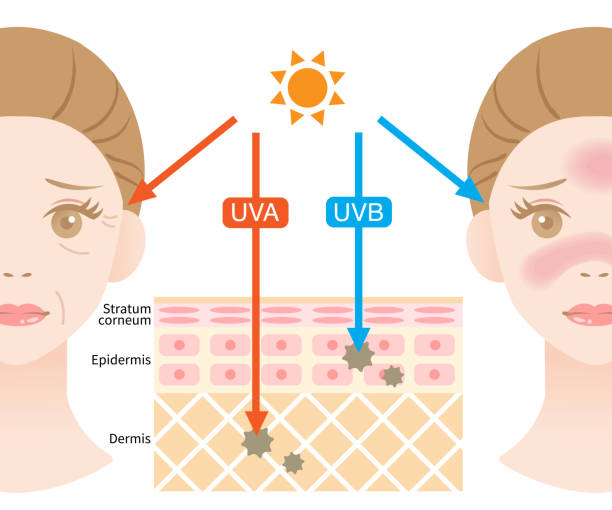
Another major factor affecting skin quality is sun exposure. Ultraviolet (UV) radiation penetrates the skin and damages collagen fibers, which weakens the skin’s structure over time. This process, known as photoaging, can cause uneven tone, rough texture, wrinkles, and loss of elasticity.
Environmental stressors such as pollution and toxins can also contribute to poor skin health. These elements create oxidative stress in the skin, which leads to the formation of free radicals. Over time, free radicals break down collagen and accelerate visible signs of aging.
Because environmental exposure happens daily, consistent skin protection and care play a significant role in maintaining healthy skin quality.
Dehydration and Poor Hydration Habits
Hydration plays a much larger role in skin quality than many people realize. When the skin lacks adequate moisture, it can appear dull, rough, and less elastic. Dehydrated skin also makes fine lines and uneven texture more noticeable.
Internally, insufficient water intake can slow down cellular function and circulation. Externally, using skincare products that strip the skin of natural oils can weaken the skin barrier and cause dryness.
Maintaining proper hydration both internally and topically helps support the skin’s natural ability to repair and maintain itself.

Poor Circulation and Reduced Oxygen Delivery
Healthy skin relies heavily on good circulation. Blood flow carries oxygen and nutrients to skin cells, which helps them regenerate and function properly. When circulation is reduced, the skin may look dull, tired, and uneven.
Poor circulation can be influenced by factors such as sedentary lifestyles, stress, and certain lifestyle habits. Over time, reduced oxygen delivery can slow the skin’s natural repair processes and make skin quality appear compromised.
Improving circulation helps support healthier skin by ensuring cells receive the nutrients they need to stay vibrant and resilient.
Hormonal Changes
Hormones play a significant role in skin health. Changes in hormone levels can influence everything from oil production and hydration to collagen formation.
For example, fluctuations in estrogen levels may affect the skin’s ability to maintain elasticity and moisture. Similarly, hormonal imbalances can contribute to breakouts, uneven tone, or thinning skin.
Because hormones influence many internal systems, maintaining hormonal balance can be an important part of supporting overall skin quality.
Lifestyle Habits That Impact Skin Health
Daily habits also have a powerful impact on how the skin looks and feels. Nutrition, sleep quality, and stress levels all influence the body’s ability to repair and regenerate skin cells.
A diet high in processed foods and sugar may increase inflammation in the body, which can accelerate collagen breakdown. Poor sleep can interfere with the skin’s natural repair cycle, while chronic stress can increase cortisol levels that weaken the skin over time.
Adopting supportive lifestyle habits can help create the conditions needed for healthier skin.
Supporting Better Skin Quality
Improving skin quality often requires a combination of approaches. Supporting collagen production, protecting the skin from environmental damage, maintaining hydration, and promoting healthy circulation all contribute to stronger, smoother skin.
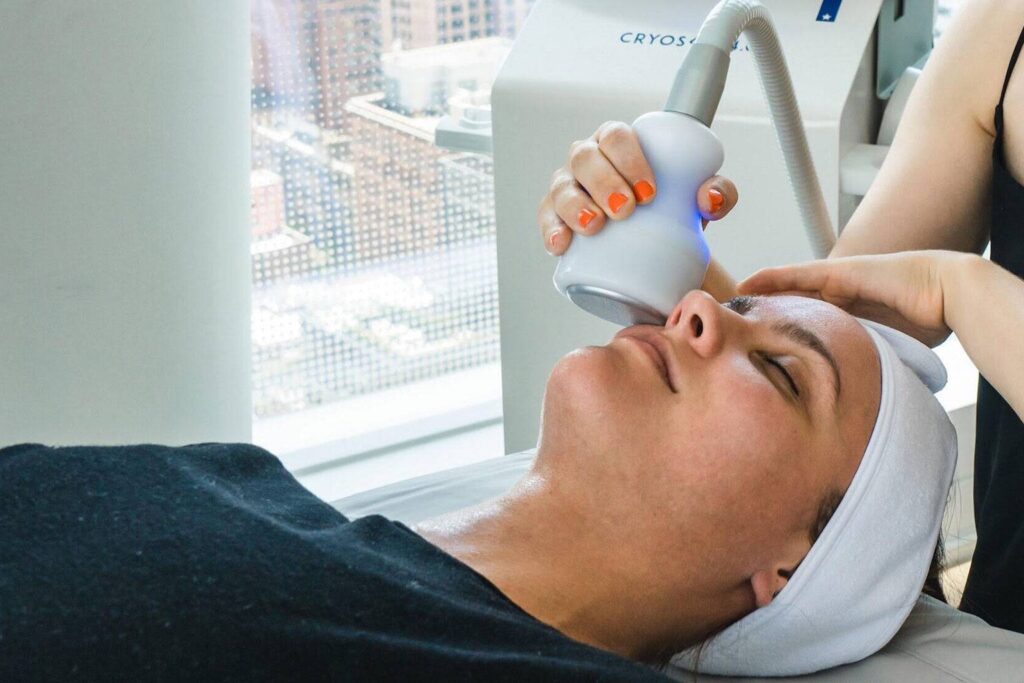
At Cryo Studio, many clients choose icoone treatments that stimulate circulation, encourage collagen production, and support the skin’s natural regenerative processes. When combined with healthy lifestyle habits, these approaches can help improve the overall appearance and quality of the skin over time.
The Bottom Line
Poor skin quality rarely comes from just one cause. Instead, it usually results from a combination of factors including aging, environmental exposure, hydration levels, circulation, hormones, and lifestyle habits.
By understanding these influences and taking steps to support the skin both internally and externally, it becomes possible to improve skin health and restore a smoother, more radiant appearance.
\nWant a plan for healthier-looking skin? Schedule a consultation with Cryo Studio Sarasota.