
Learn how the lymphatic system removes toxins from the body, what happens after lymphatic drainage treatments, and how to support healthy lymph flow naturally.
Understanding the Lymphatic System: Your Body’s Natural Detox Network
If you’ve ever researched lymphatic drainage treatments or compression therapy, you’ve probably seen questions like “How do I detox my lymphatic system?” or “Where do toxins go after lymphatic drainage?”
These questions are incredibly common, and for good reason. The lymphatic system plays a major role in circulation, immune health, and fluid balance, yet many people don’t fully understand how it works.
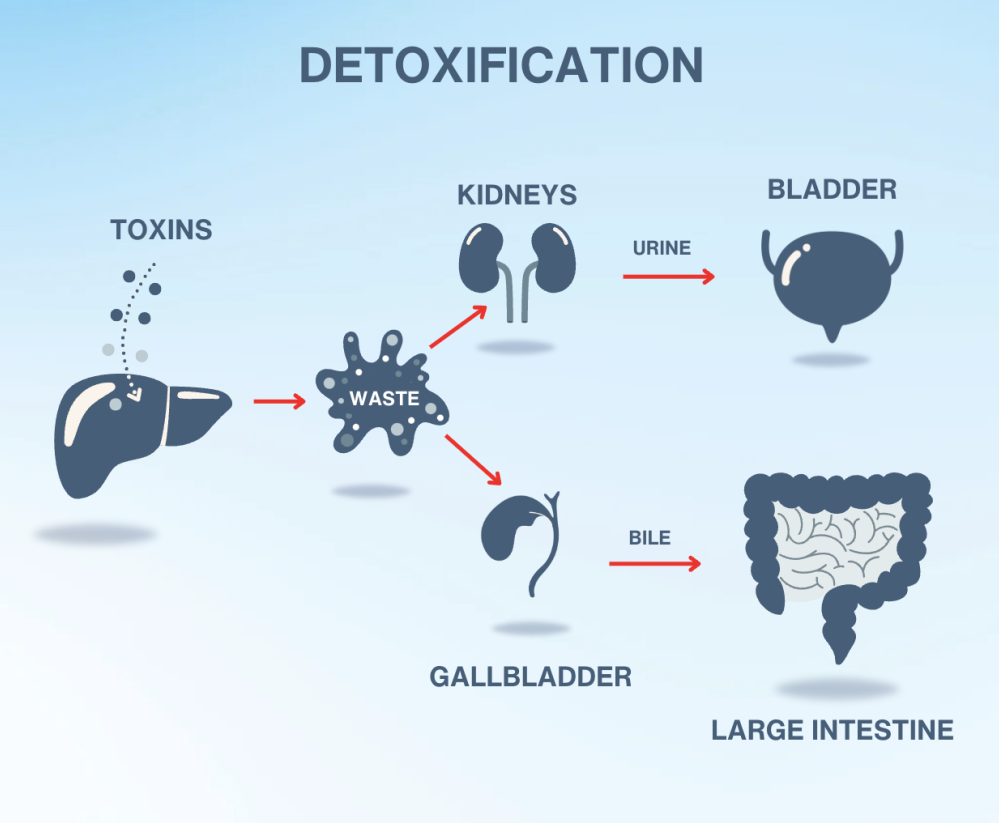
The truth is that your body already has a powerful detox system built in. The lymphatic system works alongside the liver, kidneys, and digestive system to help remove waste products, excess fluids, and cellular debris from the body.
When lymphatic circulation slows down, however, the body may struggle to move fluids efficiently. This can lead to bloating, puffiness, sluggish circulation, and the appearance of cellulite.
Understanding how this system works can help you support your body’s natural detox processes.
What Is the Lymphatic System?
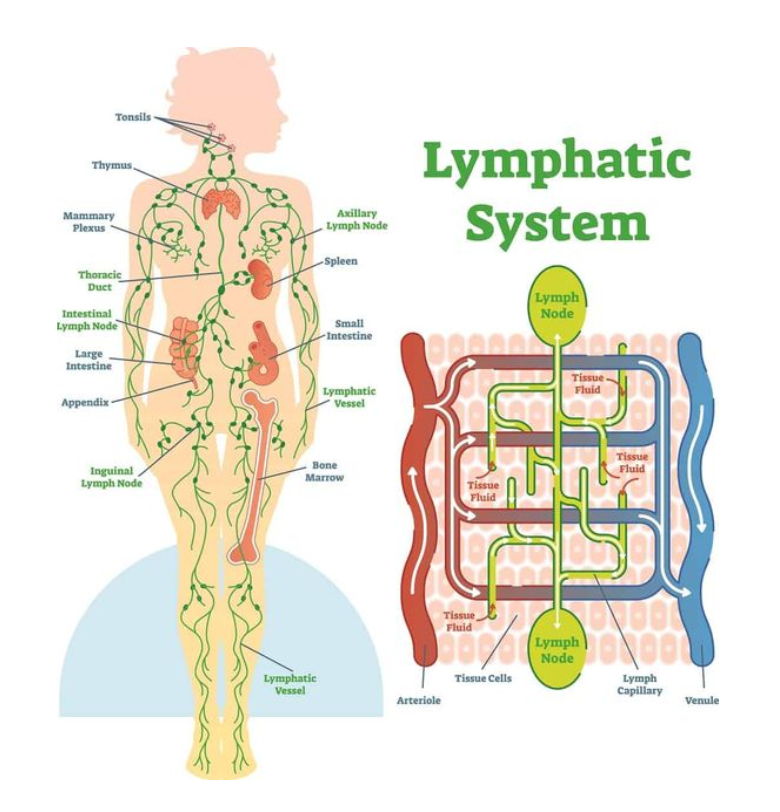
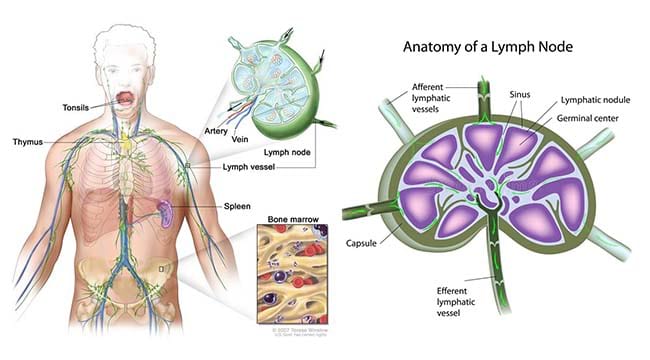
The lymphatic system is a network of vessels, lymph nodes, and organs that help move a clear fluid called lymph throughout the body.
This fluid contains:
- Immune cells
- Waste products from cells
- Excess fluid
- Proteins and toxins filtered from tissues
Unlike the circulatory system, the lymphatic system does not have a pump like the heart. Instead, it relies on movement, breathing, and muscle contractions to keep lymph flowing.
When lymph circulation slows, fluid can accumulate in tissues, which may contribute to swelling, sluggish detox processes, and uneven skin texture.
Where Do Toxins Go After Lymphatic Drainage?
One of the most common questions people ask after a lymphatic drainage treatment is where the toxins actually go.
The answer is surprisingly simple: the body processes them through its natural elimination pathways.
When lymphatic circulation improves, waste and excess fluids are transported toward lymph nodes where they are filtered. From there, the body moves these waste products into the bloodstream, where they are processed by the liver and kidneys.
Eventually, the body eliminates them through normal processes such as:
- Urination
- Sweat
- Bowel movements
- Respiration
This is why many people notice they need to drink more water or use the restroom more frequently after lymphatic drainage treatments. The body is simply processing and eliminating excess fluid and metabolic waste.
Can You Actually “Detox” Your Lymphatic System?
Many wellness articles use the word “detox,” but technically the lymphatic system is always detoxifying the body as part of its normal function.
Rather than detoxing the lymphatic system itself, the goal is usually to support healthy lymph flow.
When circulation improves, the lymphatic system can move fluids and waste products more efficiently. This is why many wellness practices focus on stimulating lymphatic movement.
Healthy lymphatic circulation supports:
- Reduced water retention
- Improved circulation
- Less swelling and puffiness
- Better immune function
- Smoother skin appearance
How to Support Healthy Lymphatic Drainage
While the lymphatic system works automatically, certain habits can help encourage healthy flow.
Regular physical movement is one of the most important factors. Activities like walking, stretching, and light exercise stimulate muscle contractions, which help move lymph fluid throughout the body.
Hydration is also essential. Because lymph fluid is largely composed of water, staying hydrated helps maintain proper fluid circulation.
Deep breathing can also stimulate lymphatic movement. The diaphragm acts like a pump that helps move lymph fluid through the thoracic duct, one of the body’s major lymphatic vessels.
In addition, some people benefit from treatments that stimulate circulation and lymph flow, such as compression therapy or lymphatic drainage techniques.
How Lymphatic Drainage Treatments Support the Body
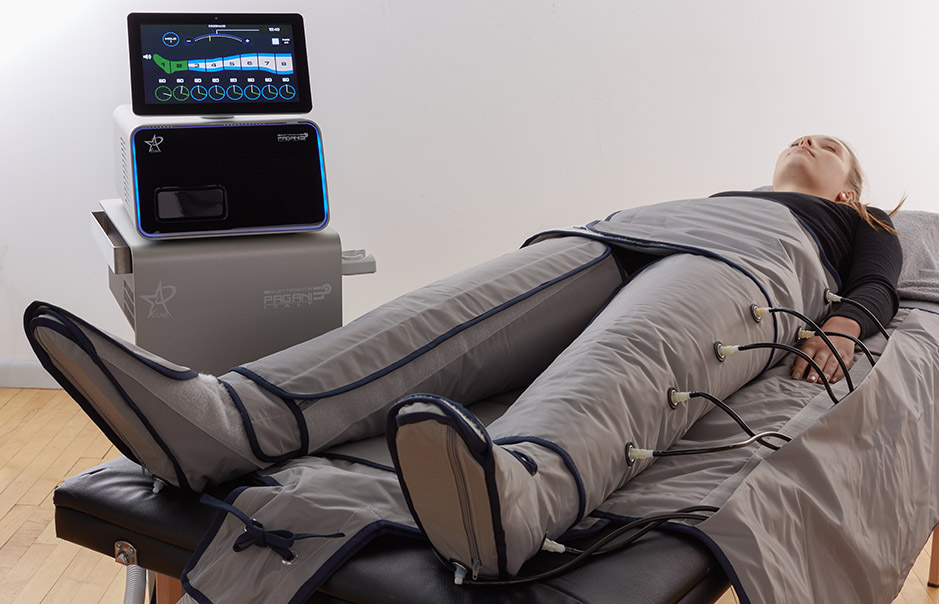
Modern treatments such as compression therapy or pressotherapy are designed to gently stimulate lymphatic circulation.
These treatments use rhythmic compression patterns that encourage fluid movement through the lymphatic vessels. By supporting this process, they can help the body move excess fluid and metabolic waste more efficiently.
Many people notice benefits such as:
- Reduced bloating and water retention
- Improved circulation
- A lighter feeling in the legs or body
- Temporary reduction in puffiness
- Smoother skin appearance
Because the lymphatic system is closely connected to circulation and fluid balance, improving its function can contribute to overall wellness.

Why the Lymphatic System Matters for Skin and Body Health
The lymphatic system also plays a role in how the skin looks and feels. When fluid accumulates in tissues, it can contribute to swelling and uneven texture.
Supporting lymphatic circulation may help improve the appearance of the skin by reducing excess fluid buildup and improving tissue oxygenation.
This is one reason why lymphatic drainage techniques are often used in wellness and aesthetic treatments.
The Bottom Line
The lymphatic system is one of the body’s most important natural detox pathways. Instead of needing to be “detoxed,” it simply needs proper support to function efficiently.
When lymph circulation is healthy, the body can move excess fluid, waste products, and toxins toward the organs responsible for eliminating them.
Supporting lymphatic flow through movement, hydration, breathing, and circulation-supporting treatments can help the body maintain balance and improve overall wellness.
Want to support healthy lymphatic flow? Schedule a consultation with Cryo Studio Sarasota.
The content is really great
Its Amazing