
Short answer: you can noticeably improve the look of crepey skin on the body — but you cannot erase it completely. Crepey skin comes from thinning skin and a gradual loss of collagen and elastin, so the most effective approach combines daily habits (hydration, sun protection, protein and collagen support) with non-invasive treatments that help stimulate collagen and firm the skin’s appearance over time. Here is what actually helps, and what to expect.
What is crepey skin, and how is it different from wrinkles?
Crepey skin is thin, finely lined skin that looks a little like crepe paper. Unlike deep wrinkles, which form in specific expression lines, crepey skin covers broader areas — commonly the upper arms, inner elbows, abdomen, knees, and thighs. It tends to feel loose and papery rather than deeply creased, and it often appears after weight changes or with age as the skin loses structural support.
What causes crepey skin on the body?
Crepey skin is driven by several factors working together: the natural decline of collagen and elastin that begins in our mid-20s, cumulative sun exposure that breaks down those fibers, dehydration, rapid weight loss that leaves skin without enough support, and lifestyle factors like smoking, poor sleep, and low protein intake. Because it is structural, no single cream reverses it — but supporting collagen and improving skin quality can make a visible difference.
Can you get rid of crepey skin at home?
At-home care can improve the appearance of crepey skin, especially early on. The habits that help most: drink enough water, use daily sunscreen, moisturize with ingredients like hyaluronic acid and peptides, eat adequate protein, and stay active to support circulation. These steps protect the skin you have and slow further breakdown — but they work gradually and have limits once the skin has thinned significantly.
What professional treatments help crepey skin?
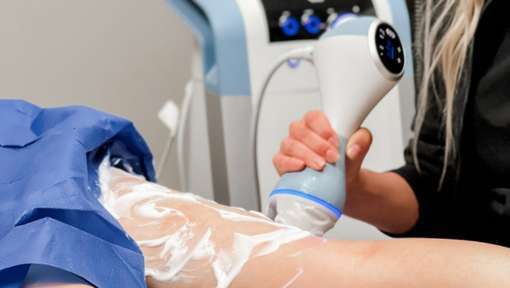
When home care is not enough, non-invasive skin tightening treatments can help firm the look of crepey, loose skin on the body by encouraging the skin’s own collagen production. At Cryo Studio Sarasota, we also use Icoone, an equipment-based technology that supports circulation and skin quality as part of a broader plan. The goal is realistic improvement in firmness and texture over a series of sessions — not an overnight transformation.
At-home care vs professional skin tightening: what is the difference?
| Approach | What it targets | What to expect |
|---|---|---|
| At-home care | Surface hydration, sun protection, slowing new damage | Subtle, gradual; best for prevention and early crepiness |
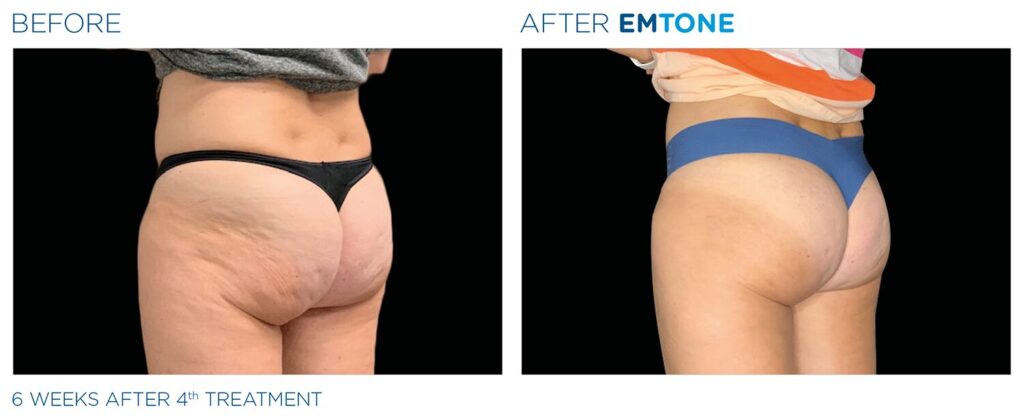
| Professional skin tightening | Deeper collagen stimulation and skin firmness | More noticeable firming of appearance over a planned series |
| Best results | Both together | Habits protect the skin while treatments improve its quality |
Who is a good candidate for body skin-tightening?
Non-invasive body skin-tightening tends to help most when crepey or loose skin is mild to moderate — for example, softness on the upper arms, abdomen, inner thighs, or knees, or laxity that appears after weight changes. If you prefer to avoid surgery and have realistic expectations, it is often a good fit.
It has limits. Very significant, hanging skin laxity may be beyond what non-invasive treatment can meaningfully change, and in those cases we will say so honestly rather than overpromise. The point of the consultation is to look at your skin in person and tell you what is realistic for you.
Where does crepey skin show up most?
Crepey skin is most common in areas where skin is thinner or gets a lot of sun and movement: the upper arms and inner elbows, the abdomen, the knees and just above them, the inner thighs, and the chest. These areas often thin earlier and show a papery texture before deeper wrinkles appear elsewhere.
What to expect from a skin-tightening series
We usually begin with an assessment and, if you like, before photos so you can track change. Treatments themselves are comfortable, with no incisions and little to no downtime, so you can return to normal activities right after.
Results are gradual. Because these treatments work by encouraging your skin’s own collagen response, firming builds over a series of sessions rather than appearing at once. Many people continue with occasional maintenance to support the look over time. Improvement is appearance-based and varies from person to person.
Habits that protect your results
Whatever treatment you choose, daily habits do a lot of the work: wear sunscreen (UV is one of the biggest drivers of skin breakdown), stay hydrated, eat enough protein to support collagen, avoid smoking, and aim for gradual rather than rapid weight changes. These habits protect the skin you have and help your results last.
Frequently asked questions
Can crepey skin be reversed completely?
No. Crepey skin can be visibly improved with consistent care and non-invasive treatments, but it cannot be fully reversed. The realistic goal is firmer, smoother-looking skin over time.
How long does it take to see improvement?
It varies by person and how established the crepiness is. Home care shows gradual change over weeks to months, and professional treatments are typically planned as a series for the best appearance-based results.
Is skin tightening for the body painful?
Non-invasive body skin-tightening treatments are generally comfortable, with no incisions and little to no downtime. We explain exactly what to expect before you start.
Does losing weight make crepey skin worse?
Rapid weight loss can leave skin without enough support, making crepiness more noticeable. Supporting skin quality during and after weight changes helps.
Where does crepey skin show up most?
It is most common on the upper arms and inner elbows, the abdomen, the knees, the inner thighs, and the chest — areas where skin is thinner or gets more sun and movement.
Can you prevent crepey skin?
You can slow it, not fully prevent it. Daily sun protection, hydration, adequate protein, not smoking, and avoiding rapid weight swings all help protect skin quality over time.
How many skin-tightening sessions will I need?
It varies by person and how established the crepiness is. These treatments are planned as a series for the best appearance-based results; we recommend a plan at your consultation.
Crepey skin is common and manageable. With the right mix of daily habits and non-invasive treatment, you can meaningfully improve how firm and smooth your skin looks. Schedule a consultation with Cryo Studio Sarasota to build a plan for your skin. — Cryo Studio Team